Double Pane Window Repair: A Comprehensive Guide
Double pane windows, also called insulated glass units (IGUs), are a popular choice for homes due to their exceptional insulation and energy effectiveness. These windows consist of 2 glass panes separated by a layer of air or gas, which helps to lower heat transfer and noise. However, over time, these windows can establish issues such as fogging, condensation, and broken seals, necessitating repair. broken window repair offers a thorough guide to double pane window repair, including common problems, DIY services, and expert repair options.
Common Problems with Double Pane Windows
Before diving into the repair procedure, it's important to comprehend the typical issues that can affect double pane windows:
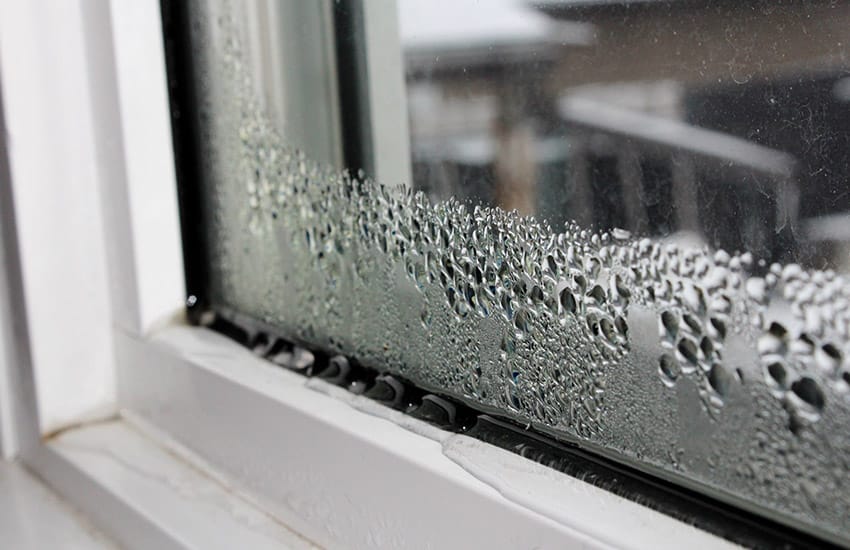
Fogging and Condensation:
- Cause: Fogging happens when the seal in between the 2 panes of glass breaks, allowing moisture to go into the air space. This is typically the first sign that the window needs repair.
- Signs: Visible fog or condensation in between the glass panes, particularly during temperature level changes.
Broken Seals:
- Cause: The seal between the panes can deteriorate due to age, exposure to extreme temperatures, or physical damage.
- Symptoms: Drafts, increased energy expenses, and lowered insulation effectiveness.
Split or Broken Glass:
- Cause: Impact from objects, extreme weather condition, or structural issues.
- Signs: Visible cracks or shattered glass.
Leaking Air or Gas:
- Cause: The seal might allow air or gas to leave, reducing the window's insulating residential or commercial properties.
- Signs: Drafts and increased energy consumption.
DIY Solutions for Minor Issues
For minor problems, property owners can frequently attempt some DIY repairs. Here are a couple of steps to think about:
Cleaning Fogged Windows:
- Materials Needed: Isopropyl alcohol, microfiber cloth, and a vacuum.
- Steps:
- Remove the window sash from the frame.
- Use a vacuum to remove any loose debris between the panes.
- Apply isopropyl alcohol to a microfiber cloth and carefully clean the interior surfaces of the glass.
- Permit the glass to dry completely before reinserting the window sash.
Seal Repair:
- Materials Needed: Silicone sealant, caulk weapon, and a non reusable cloth.
- Steps:
- Clean the location around the damaged seal with a mild cleaning agent and water.
- Dry the area thoroughly.
- Apply a thin, even layer of silicone sealant around the border of the window frame.
- Smooth the sealant with a non reusable fabric to make sure a neat finish.
Momentary Draft Solutions:
- Materials Needed: Weatherstripping, silicone caulk, and window film.
- Steps:
- Apply weatherstripping along the edges of the window frame to seal gaps.
- Usage silicone caulk to fill any small cracks or gaps.
- Install window movie to provide an extra layer of insulation.
When to Call a Professional
While some small problems can be addressed with DIY options, more major problems frequently require expert intervention. Here are some circumstances where it's finest to employ a professional:
Replacing Glass Panes:
- Why: If one or both panes of glass are cracked or broken, it's more secure and more efficient to have a professional replace the glass.
- Process: A specialist will eliminate the damaged window, clean the frame, and install brand-new glass panes with a fresh seal.
Reconditioning the Window:
- Why: For misted or dripping windows, reconditioning includes eliminating the old glass, drying the frame, and reapplying a new seal.
- Process: This is an intricate task that needs customized devices and proficiency to ensure the window is properly sealed and reassembled.
Energy Efficiency Upgrades:
- Why: If your window is old or inefficient, a specialist can aid with upgrades such as replacing the glass with a more energy-efficient option or adding additional insulation.
- Process: An expert will assess the window, advise the best upgrade choices, and perform the necessary work to improve energy performance.
Professional Repair Services
When picking a professional for double pane window repair, consider the following:
Research and Reviews:
- Why: It's essential to choose a credible and experienced professional.
- How: Check online evaluations, request referrals, and validate the specialist's qualifications and licenses.
Expense and Warranty:
- Why: Understanding the cost and service warranty of the repair can assist you make a notified decision.
- How: Get numerous quotes and compare the services provided. Ensure the specialist provides a guarantee on their work.
Environmental Considerations:
- Why: Proper disposal of old products is essential for environmental sustainability.
- How: Ask the professional about their recycling and disposal practices.
Frequently Asked Questions About Double Pane Window Repair
Q: How do I understand if my double pane window needs repair?
- A: Common signs consist of fogging, condensation, drafts, and increased energy bills. If you observe any of these concerns, it's a great idea to have the window checked.
Q: Can I fix a foggy double pane window myself?
- A: While you can try cleaning up the interior surface areas, the most effective service is to have the window reconditioned or replaced by an expert.
Q: How much does double pane window repair expense?
- A: The expense varies depending on the level of the damage and the size of the window. Minor repairs like seal replacement can cost a couple of hundred dollars, while complete window replacement can be more expensive.
Q: Is it much better to repair or replace a double pane window?
- A: If the damage is small and the window is fairly brand-new, repair is often sufficient. Nevertheless, if the window is old or thoroughly damaged, replacement might be more affordable and offer better energy performance.
Q: How long does a double pane window repair take?
- A: Minor repairs can be finished in a couple of hours, while more extensive repairs or replacements might take a day or more.
Tips for Maintaining Double Pane Windows
To extend the life of your double pane windows and avoid future problems, consider the following upkeep tips:
Regular Cleaning:
- Why: Dust and particles can build up on the window and affect its efficiency.
- How: Clean the exterior and interior surfaces of the window with a moderate cleaning agent and water. Utilize a soft cloth or sponge to avoid scratching the glass.
Examine for Damage:
- Why: Early detection of damage can avoid more serious issues.
- How: Check the window for cracks, drafts, and misting a minimum of as soon as a year. Pay unique attention to the seals around the edges.
Appropriate Ventilation:
- Why: High humidity levels can cause condensation and fogging.
- How: Ensure your home is well-ventilated, specifically in locations vulnerable to high humidity such as bathroom and kitchens.
Avoid Harsh Chemicals:
- Why: Harsh chemicals can harm the seals and the glass.
- How: Use just mild, non-abrasive cleaners on your windows. Avoid utilizing bleach or other strong solvents.
Professional Inspections:
- Why: Regular evaluations by an expert can determine possible concerns before they end up being major problems.
- How: Schedule an expert assessment every few years, specifically if you see any changes in the window's efficiency.
Double pane windows provide numerous advantages, consisting of energy effectiveness and sound reduction. Nevertheless, like any home element, they require maintenance and occasional repair. By understanding common problems and taking proactive actions, property owners can guarantee their windows remain in great condition for several years to come. Whether you pick to deal with minor repairs yourself or generate a professional for more significant problems, the key is to resolve problems immediately to preserve the stability and functionality of your double pane windows.
For those who are unsure about the degree of their window issues or do not have the time and tools for DIY repairs, expert services are easily available. With a little research study and care, you can keep your double pane windows performing at their best and take pleasure in the convenience and cost savings they supply.